Hidden Gems of Kyoto: Beyond the Golden Pavilion
Kyoto rewards slower attention. Beyond its best-known icons, several outer districts pair historic temples, mountain scenery, and calmer streets, making them appealing for travelers who want a more reflective day and a clearer sense of place.
Published: 2026-10-12
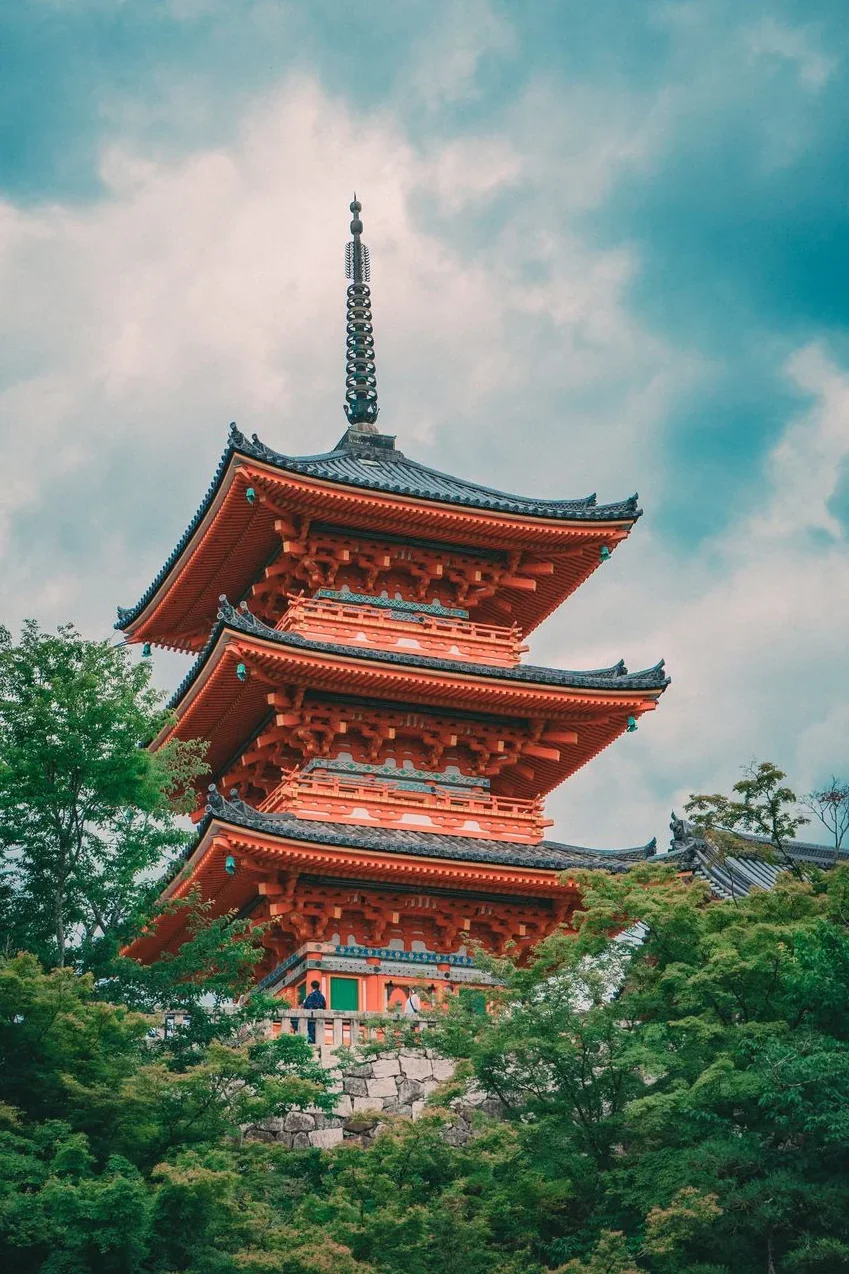 miyou_ 77 / Pexels
Choose Your Pace
Kyoto’s hidden-gems districts are spread across the city’s outskirts, and that distance is part of their appeal. Ohara, Takao, Yamashina, Nishikyo, Fushimi, and Keihoku each offer a different balance of temples, gardens, water, and local scenery.
For a practical start, pick one area rather than trying to cover several in a single sweep. A realistic sequence is to begin with a temple-rich district, pause for a quiet meal or tea, and finish with a neighborhood walk that leaves room for unplanned turns.
- Focus on one district at a time.
- Check current transport details with the operator.
- Treat walking routes as illustrative, not booked tours.
Ohara and Takao for Temple Landscapes
Ohara sits upstream from the Takano River and is described as a mountain area with historic temples and seasonal scenery. The surrounding calm makes it a strong choice if you want a contemplative visit rather than a crowded sightseeing loop.
Takao is presented as a temple-and-greenery district as well, with three mountains known together as the Sanbi. A good everyday example is to pair one temple stop with a short riverside or garden pause, keeping the day simple and manageable.
- Use the day for one or two main stops.
- Allow time for walking between sites.
- Look for changing landscape rather than rushed checklists.
Saga, Arashiyama, and the Value of Detours
Saga and Arashiyama are famous enough to be familiar, yet Kyoto’s own guidance points readers toward Okusaga as a quieter back area beyond the better-known bamboo grove and bridge. That makes detours useful when the main corridor feels busy.
The trade-off is that calmer lanes may ask for more attention to transit and footing. Kyoto’s travel guidance also emphasizes protecting the bamboo grove from damage, so stay on paths, avoid touching plants, and take photos without carving out space where it does not belong.
- Choose a detour when you want quieter scenery.
- Stay on marked paths and respect planted areas.
- Avoid behavior that damages shared landscapes.
How to Walk Respectfully
Tokyo’s official sightseeing tips offer useful etiquette that fits Kyoto as well: sort trash carefully, keep your voice low in public places, and wait in line without cutting. Those habits help on trains, in temple districts, and in narrow residential streets alike.
Also be thoughtful with photos and footwear. Ask before photographing people, avoid restricted areas, and remove shoes where rules or signs require it. In shops and temples, quiet patience and clear attention matter more than speed or volume.
- Carry out trash if bins are limited.
- Speak softly on buses, trains, and in temples.
- Ask before photographing people or private spaces.
A Simple Checklist Before You Go
Before leaving, confirm how to reach the district you chose, then verify current transport and site information on the relevant operator’s or destination’s official page. Because schedules and conditions change, current information matters more than any static itinerary in a travel article.
Pack light, bring a little flexibility, and decide in advance what kind of day you want: temples, gardens, or a neighborhood stroll. If you want a realistic sequence, try one temple area, one quiet lunch stop, and one unhurried walk back toward a station or main road.
- One district, one major goal, one backup option.
- Current transport and site information checked.
- Quiet lunch or tea stop included.
- Photo etiquette and shoe rules remembered.