A Culinary Journey Through Osaka's Street Food Scene
Osaka’s street food culture is casual, lively, and best enjoyed with attention to local routines. This guide highlights familiar dishes, practical ways to move through food streets, and simple etiquette so visitors can focus on flavor without disrupting the flow around them.
Published: 2026-10-12
 Matheus Bertelli / Pexels
Start with the city’s signature snacks
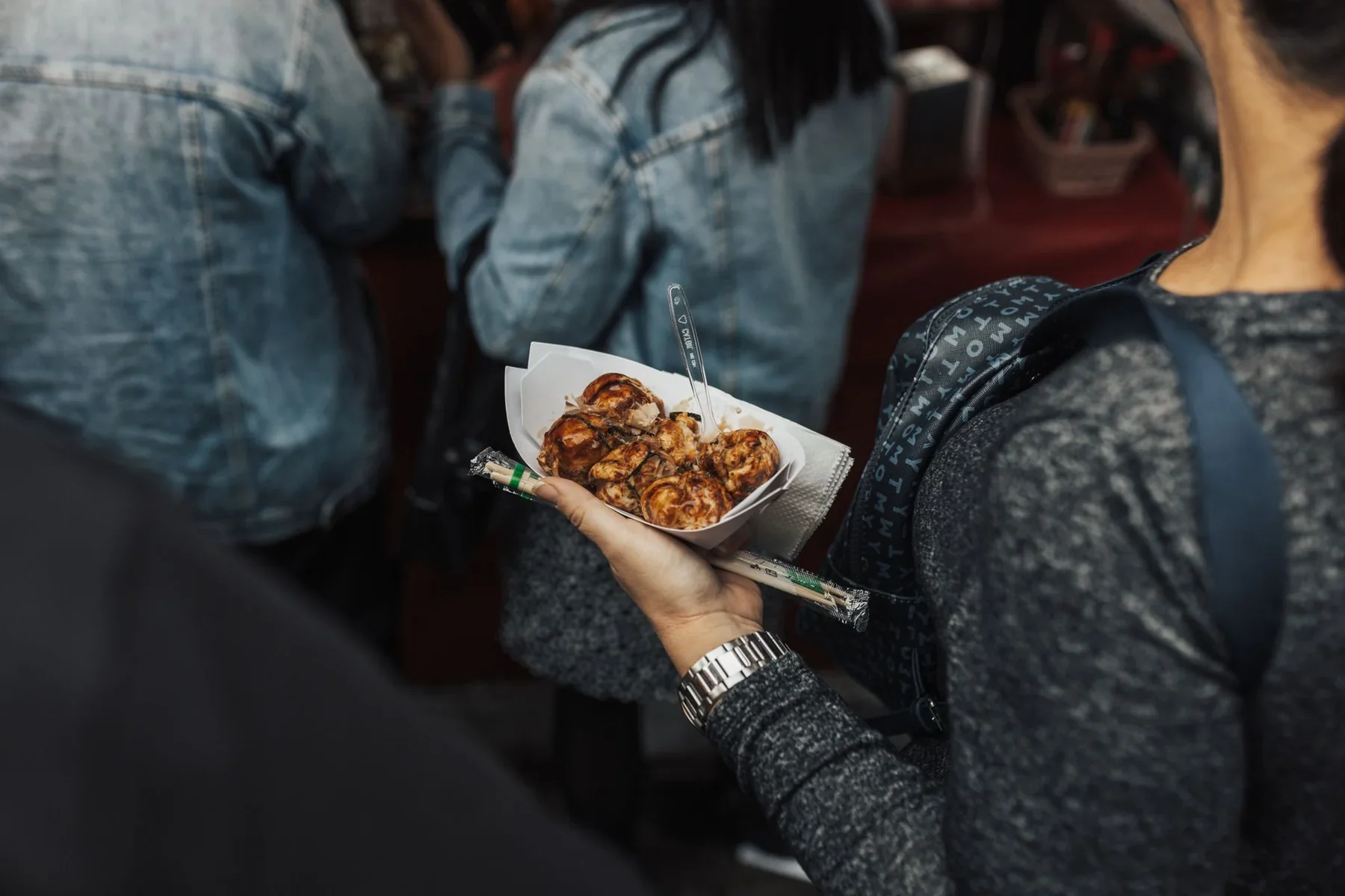
Takoyaki is one of Osaka’s best-known casual bites, sold from food stalls and easy to eat while exploring a neighborhood. Okonomiyaki, another city favorite, is built around batter, cabbage, and flexible toppings, which makes it a useful contrast in texture and pace.
If you want a simple first sequence, begin with takoyaki, then look for okonomiyaki, and compare how each stall handles heat, portions, and seating. The trade-off is speed versus atmosphere: a quick stall visit feels energetic, while a griddle meal invites a slower pause.
Understand the street setting before you order
Osaka’s food culture includes casual stalls, counter service, and compact eateries that reflect the city’s reputation as a food capital. A realistic everyday example is a traveler choosing one snack to share, stepping aside to eat, and making room for others rather than lingering in the queue.
Because changing details belong to the operator, check current information directly when you need specifics about access or service patterns. A useful checklist is to scan the menu, observe where people wait, confirm payment expectations, and notice whether the stall expects you to finish before moving on.
Queue calmly and keep your place in line
Good street-food etiquette is straightforward: wait your turn, avoid cutting in, and keep your voice low when space is tight. If friends arrive separately, join the back of the line together unless staff direct a different arrangement.
This matters most at popular counters where the line itself is part of the experience. The pitfall is assuming casual food means casual rules; in practice, orderly queuing helps staff serve efficiently and helps everyone enjoy the same small space without friction.
Photograph with awareness, not interruption
Food stalls are lively places, but photographing should never block service or pressure other diners. Ask before taking close photos of people, avoid scenes where cameras delay the line, and keep memories of moments that are not meant to be staged.
A practical approach is to photograph the dish quickly, step aside, and return attention to the food. The trade-off is obvious: a cleaner photo may be worth waiting, but not at the cost of disrupting the counter, the cook, or the people behind you.
Finish with neighborhood awareness
Osaka’s street food is often best experienced as part of a neighborhood walk, not as a standalone hunt for novelty. Choose a route that lets you move between stalls, keep trash with you if bins are not nearby, and respect residential streets by staying mindful and quiet.
Before you go, remember a short checklist: check current stall information, carry small cash or preferred payment methods only if clearly accepted, queue neatly, ask before photographing people, and leave each stop tidy. That sequence keeps the focus on food, not friction.