The Ultimate First-Timer's Guide to Exploring Tokyo
Tokyo feels easiest when you treat it as a city of distinct neighborhoods linked by a broad rail network. For a first visit, the smartest approach is to pick a small set of areas, move calmly, and follow local etiquette in stations, shops, temples, and residential streets.
Published: 2026-10-12
 Tony Wu / Pexels
Start with a simple neighborhood plan
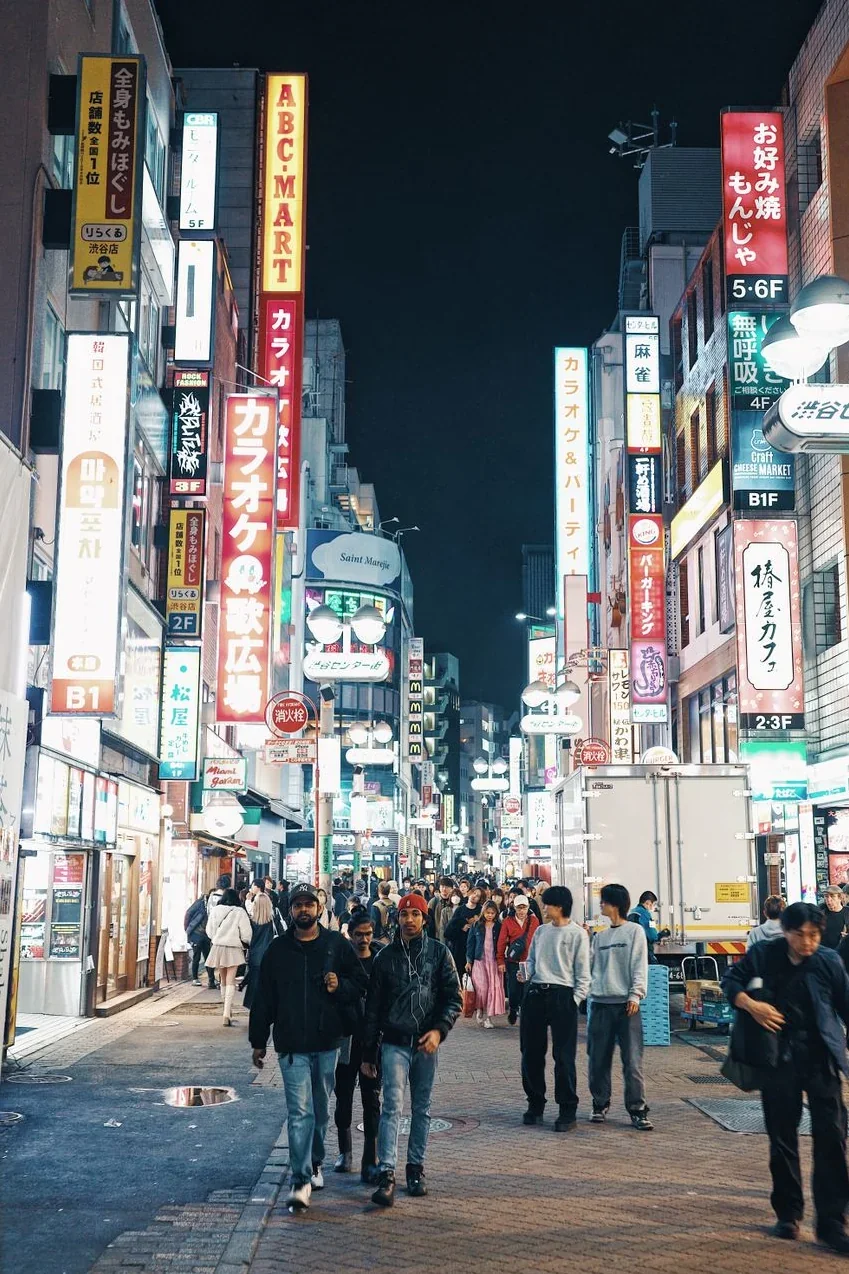
Tokyo’s official travel guide highlights several districts worth exploring, from Asakusa and Ueno to Shibuya, Shinjuku, Ginza, and Tokyo Station and Marunouchi. Instead of trying to see all of them at once, choose two or three that fit your interests and stay flexible as you move between them.
A realistic first sequence might begin in Tokyo Station or Marunouchi for an organized introduction, continue to Asakusa for older streetscapes, and finish in Shibuya or Harajuku for a more modern pace. That keeps travel simple while showing how different Tokyo can feel within one day.
- Choose districts that are close on the map or connected by one rail line.
- Use one neighborhood as a base and add nearby areas rather than crossing the city repeatedly.
- Treat any suggested walk as an illustrative route, not a booked tour.
Use trains as your default, not your last resort
GO TOKYO notes that JR East, Tokyo Metro, and Toei lines form a comprehensive network, with local railways extending options farther out. For central sightseeing, public transport usually makes more sense than renting a car, and buses or taxis can fill gaps when your route is less direct.
A practical habit is to check the line you need before leaving the station, keep your fare method ready, and leave extra time for transfers. If your plans reach beyond central Tokyo, current operator information matters because routes, service patterns, and conditions can change.
- Check official maps before you board.
- Keep transfers simple when carrying luggage or traveling with children.
- Verify current service details with the relevant operator on the day you travel.
Walk thoughtfully once you arrive
The city rewards walking, but the best walks are quiet and observant. In stations, on trains, and near homes, keep your voice low, avoid phone calls in shared spaces, and stay aware of other people’s space. These habits matter whether you are crossing a station concourse or pausing for a photo.
In residential streets, behave as a guest moving through an everyday neighborhood, not a performance space. Do not block entrances, linger in doorways, or photograph people without asking. At temples and shops, follow posted rules, remove shoes where required, and watch how others queue or wait.
- Carry trash until you find an appropriate bin.
- Ask before photographing a person or private setting.
- Follow local signs for shoes, lines, and restricted areas.
Balance famous sights with quieter corners
Official Tokyo and Kyoto sources both show the value of mixing well-known sites with calmer areas. In Tokyo, that can mean pairing a major station district with a neighborhood known for smaller streets, rather than moving only from one headline attraction to the next. The result is less rushed and often more memorable.
If you want an everyday example, imagine a morning at a major station area, lunch near a neighborhood shopping street, and an evening stroll in a district with easier pedestrian flow. The trade-off is simple: famous places bring energy, while quieter streets can give you more room to notice details.
- Mix one busy district with one slower district.
- Leave time for unplanned turns, short breaks, and simple meals.
- Expect popular areas to be lively rather than empty.
Use a short checklist before you head out
Before leaving, confirm your route, your neighborhood focus, and any current operator updates that could affect transit or access. That small routine helps first-time visitors avoid confusion at stations and reduces the temptation to rush, backtrack, or crowd other travelers.
Your final checklist can stay simple: choose one or two areas, ride the most direct line, keep noise low, queue patiently, and respect rules where you eat, photograph, or enter traditional spaces. Those habits do more for a smooth Tokyo visit than trying to fit in every landmark.
- Route checked
- Transit details verified
- Quiet, orderly behavior in shared spaces
- Permission requested for photos when needed
- Trash carried until disposal is available